

Is your Craftsman pressure washer refusing to start? Follow our troubleshooting guide to fix clogged carburetors, worn spark plugs, and ignition issues. Get your washer running in minutes with these easy DIY repair tips.
Quick Fix: Why Your Craftsman Pressure Washer Won’t Start
| Potential Cause | The Symptom | How to Fix It |
| Fuel Issues | Engine sputters or won’t fire. | Drain old gas; use fresh 87-octane fuel with a stabilizer. |
| Dirty Air Filter | Engine “gasps” or runs roughly. | Remove the filter cover; clean or replace the foam/paper element. |
| Clogged Carburetor | Won’t start even with fresh gas. | Spray carburetor cleaner into the intake or soak the carb bowl. |
| Bad Spark Plug | No ignition or weak spark. | Check for carbon buildup; replace if electrode is worn or dark. |
| Incorrect Choke | Engine won’t catch when cold. | Move lever to “Full Choke” to start, then move to “Run” after 30 seconds. |
| Sheared Flywheel Key | Engine stopped suddenly and won’t restart. | Replace the metal key inside the flywheel/crankshaft assembly. |
Why Won’t My Craftsman Pressure Washer Start?
Old or Contaminated Fuel
Fuel that’s been sitting in the tank for several months can degrade and prevent the engine from starting. This is one of the most common overlooked causes, especially for seasonal equipment. You could recommend draining old fuel and refilling with fresh gas before attempting to start.
Water in the Fuel Moisture contamination in the fuel tank (especially from storage) can prevent starting.
Low or No Oil (Oil Sensor Shutoff)
Many Craftsman pressure washers have a low-oil shutoff sensor that prevents the engine from starting if oil levels are too low. How to Fix: top off the oil.
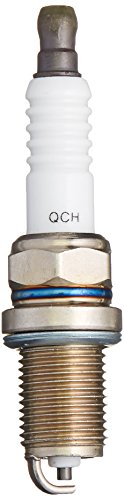
Worn-Out Spark Plug
About this: Gas-powered Craftsman pressure washers rely on spark plugs. These plugs have the same function in a car engine: they deliver sparks necessary for the pressure cleaner’s internal combustion engine to operate.
More specifically, a spark plug has a small gap at its tip where the spark happens. The electricity supplied to the plug will trigger that spark to occur. That is enough to ignite the air and fuel mixture inside the chamber, causing the explosion that produces power.
That process happens continuously as long as you keep the pressure cleaner running.

What went wrong: Your Craftsman pressure washer won’t start or stay running because its spark plug is worn-out. This is one of the most crucial components of your pressure washer, so when it wears out, everything stops working. Spark plugs continuously deliver a strong electrical spark that ignites the air and gas around it, causing constant wear and tear.
As the spark plug wears out, generating sparks will become increasingly challenging. That continues until one day when the plug can’t create any spark at all, and the pressure washer’s engine won’t start.
How to fix it: Firstly, you can try to clean your existing spark plugs as a short-term fix. That might get your Craftsman pressure washer to start again once or twice. However, you must still replace the worn-out spark plug with an identical one to ensure your pressure washer can work normally the next time you need it.
Clogged Carburetor
About this: The carburettor is another crucial component in your Craftsman pressure washer. It’s responsible for ensuring the air and fuel mix at the ideal ratio so the engine can perform optimally.
When the carburetor is in excellent working condition, the fuel used by the engine will not burn too rich (too much fuel but not enough air) or too lean (too much air but not enough fuel).

What went wrong: Another common reason why a Craftsman pressure washer won’t start is its carburetor is clogged. That will happen when the fuel mixture is too lean for too long.
The excessive air will dry out the fuel and result in a sticky residue getting stuck inside the carburetor. That residue will build up with time until it starts to clog the carburetor.
At that point, the engine can’t get the air and fuel mixture it needs to work, so it doesn’t start.
How to fix it: Thankfully, you can fix a clogged carburetor without replacing anything. Instead, you’ll have to clean it thoroughly to remove any buildups inside the component.
The most effective way to do that is by removing the carburetor and applying a carburetor cleaning product. Those products are readily available at your local hardware store and will get rid of any buildups inside quickly.
You can also prevent this from happening again by always using fresh fuel in your Craftsman pressure washer (instead of letting the fuel sit unused for extended periods) and also including a fuel stabilizer in the mix.
Dirty or Clogged Air Filter
A dirty air filter is a very common culprit. A restricted air filter starves the engine of air, making it hard or impossible to start. The fix is simple — clean or replace the filter.
Choke Not Set Correctly
What it is: The choke controls the air-to-fuel ratio during startup by restricting airflow into the carburetor, creating a richer fuel mixture that a cold engine needs to fire up.
Why it happens: If the choke is left open when starting a cold engine, the mixture is too lean to ignite. On the flip side, leaving the choke closed too long after the engine warms up will flood or stall it.
How to fix it: Set the choke to the fully closed (or full choke) position before starting a cold engine. Once the engine starts and runs for 30–60 seconds, gradually move the choke to the open position. If the engine has been running recently and is still warm, start it with the choke fully open instead. Always refer to your model’s manual, as choke lever positions can vary by Craftsman model.
A cold engine typically needs the choke in the closed/full position to start. If you skip this step or have it in the wrong position, the engine won’t fire.
Worn-Out Ignition Coil
About this: The combustion engine in your Craftsman pressure washer also has another critical component called the ignition coil. This coil continuously delivers strong electrical currents to the spark plug, allowing it to ignite the fuel and air mixture.

What went wrong: Once you rule out the carburetor and spark plug, you must inspect the ignition coil next. The coil is likely worn out or damaged, especially from long-term use.
When the coil no longer works, it can’t send the strong electrical currents needed by the spark plug. As a result, the entire combustion process doesn’t work, and you can’t start the Craftsman pressure washer.
How to fix it: The ignition coil is a high-voltage electrical component. In this case, it can’t be fixed, and you shouldn’t attempt to do it for safety reasons.
Instead, you can solve this problem by replacing the ignition coil with a new one. A new coil will be reliable and last you a very long time to come.
Broken Flywheel Key
About this: The flywheel key is a safety feature inside your Craftsman pressure washer. It connects the engine’s crankshaft to the flywheel, enabling both parts to work together.
More importantly, the flywheel key is designed to break (or ‘shear’) under certain conditions, causing the engine to stop.
For example, the flywheel key will break when something jams the pressure washer’s engine. Doing so forces the engine to stop running, preventing it from further damaging itself.
What went wrong: The engine in your Craftsman pressure washer won’t start because the flywheel key has broken. As you read above, that likely happened because something caused the engine to stop, like a jammed part.
So, the flywheel key brakes to prevent any further damage.

How to fix it: A broken flywheel key can’t be saved. After all, it did exactly what it was designed to do: breaking so the engine stops and preventing any additional damage.
So, the only solution here is to replace the broken flywheel key.
However, you must ensure that you’ve fixed whatever caused it to break in the first place. If you don’t, the new flywheel key will break for the same reason as the old one.
Read also: Why is My GFCI Outlet not Working?
Frequently Asked Questions (FAQs)
Does A Power Washer Need Fuel Stabilizer?
You can use a power washer without a fuel stabilizer. However, it’s better to add that stabilizer as it prevents moisture from mixing in with the fuel.
What Gas To Use For A Pressure Washer?
You can use regular 87-octane gas for your pressure washer in most cases. However, it’s always best to refer to the fuel recommended by the manufacturer, as stated in the user manual.
How Often Should I Service My Pressure Washer?
The servicing schedule for a power washer is measured according to total hours of usage. So, you should maintain it before each use and after every 5 hours of usage. Again, the user manual is the best reference to use, as it shows the manufacturer’s recommendations.
What Is The Life Expectancy Of A Pressure Washer?
With regular maintenance, you can expect your Craftsman pressure washer to last anywhere from 5 to 10 years.
Can I Use WD-40 Instead Of Carburetor Cleaner?
You will not get the results you expect using WD-40. It’s best to use purpose-built carburetor cleaners, as they have the necessary solvents to clean a carburetor effectively.
Connect with an Appliance Repair Tech
Click here to use the chatbox to speak with one of our technicians.
No in-home service calls. No appointments.
