

Is your Breville grinder jammed or your steam wand not frothing? Follow our expert troubleshooting guide to fix common espresso machine issues and get brewing again.
A Breville Espresso machine grinder not working can be caused by several factors, such as the machine not being plugged in correctly, a faulty grinding impeller, or a clogged grinder. Other possible causes could be a jammed coffee grinder or worn grinding burrs.
Why Grind Size Matters for Your Breville
The grind size dial on a Breville isn’t just about the fineness of the powder– it directly regulates the internal pressure the machine uses to move beans through the burrs. If your dial is set to a number that is too low, the motor may not generate enough torque or pressure to pull the beans down, causing the grinder to stall or spin without actually grinding.
Pro Tip: The Rule of 5 for Stalled Grinders
If your grinder is humming but not moving beans, don’t assume the motor is dead. Increase your grind size dial to 5. This is the sweet spot for Breville machines, providing the ideal balance of pressure and texture. Moving the dial to a higher setting provides the mechanical burst needed to get the burrs moving again.
The amount of pressure the machine uses is proportional to the selected number on the dial. In other words, the higher the number, the higher the pressure, and vice versa. So, if you set your grind size to a low number, it uses low pressure. This might be the reason why it’s not grinding your coffee beans.
Breville Electrical Supply Issues
Before jumping into mechanical repairs, it is vital to rule out basic electrical failures that can prevent the grinder from receiving power. These issues typically range from a loose or damaged power cord and low outlet voltage to more serious internal problems, such as a blown thermal fuse or a short circuit within the machine’s wiring.
How to Fix?
- Plug it in correctly before using it.
- Check that the power cord is not defective and has enough voltage at the outlet where you plug in your machine.
- Ensure that the AC control board responds when you turn it on.

Dirty/Clogged Grinder on Breville Espresso Machine
With the Breville Espresso machine, you can make coffee and espresso drinks like cappuccino, macchiato, latte, and mocha. However, this machine has been known to clog up the grinder with grounds, which can cause the grinder to stop working.
If your Breville Espresso machine has a clogged grinder or chute, it will be impossible for the machine to make coffee. The grinder won’t grind the beans properly, leading to an uneven crema extraction, which results in an unpleasant-tasting cup of coffee. Signs that the Breville Espresso machine has a clogged grinder include:
- Coffee grounds piling up on the coffee filter or hopper walls.
- Beans appear oily.
- The coffee grinds seem to be stuck in the crevices of the burrs.
- The machine not brewing properly, thereby producing coffee with a burnt or bitter taste.
How to Fix?
Some people have resorted to using a plunger or spoon to dislodge the beans stuck in the grinder. However, this can be risky if you don’t know what you’re doing – it could cause damage or injury if not done right.
If your Breville Espresso machine is experiencing clogged grinder issues, you should know of some simple fixes you can try at home before calling for professional help. You can clean a clogged Breville Espresso machine grinder by following these steps:
- Turn off the machine and unplug it from the power source.
- Remove the water tank lid.
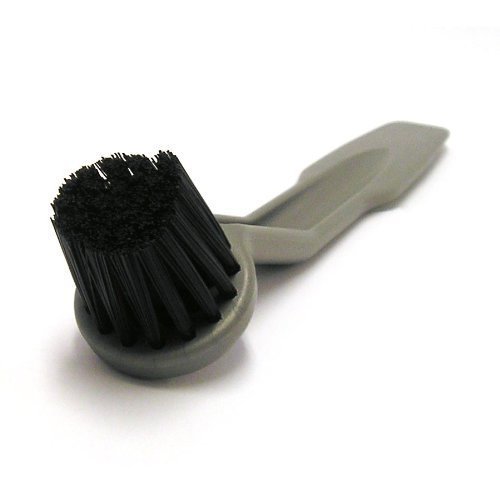
- Remove any remaining grounds from the filter basket and clean it with warm, soapy water. You can use the Breville Cleaning Brush (available on Amazon.com) as it’s effective and easy to use.
- Open up the grinder compartment and remove any ground coffee stuck there.
- Wipe any remaining coffee grounds inside the grinder compartment with a damp cloth or paper towel.
- Replace all the parts into their original positions and close up the machine tightly before plugging it back into the power source.
Read: How To Clean A Breville Coffee Machine? Step By Step Guide
Jammed Coffee Grinder on Breville
One of the issues that can arise with the Breville Espresso machine is the coffee grinder getting clogged and jammed. This issue occurs if too much coffee grinds into the machine causing a blockage.
Sometimes you may hear a loud “ratchet” noise from the coffee grinder, which could mean a foreign object is in the grinding chamber.

How to Fix?
When your Breville Espresso machine grinder gets jammed, it is crucial to know how to fix it to avoid further damage. Here are a few steps you can take to unclog a jammed coffee grinder:
- Turn off the power outlet of your Breville Espresso machine by unplugging it from the wall.
- Remove the lid from your coffee beans container and empty them into a bowl or onto a tray.
- Unscrew your grinder’s lid and remove the burrs (the metal blades).
- Clean any coffee residue or foreign objects stuck between the burrs using a cleaning brush.
Read: Why Breville Coffee Machine Not Turning On? – Troubleshooting Guide
Worn Grinding Burrs on Breville Machine
When using your Breville Espresso machine, the grinder must perform well. There are many reasons why the grinder might not be doing its job. The main one is when the grinding burrs get worn out and need to be replaced.
Grinding burrs can wear out over time, causing them to become ineffective in producing quality espresso shots. Worn grinding burrs can cause the machine to stop working or make it difficult to grind coffee beans evenly. Other signs of worn grinding burrs include:
- Burnt coffee beans
- Inconsistent flavor
- MAchine emits grinding sound, but no grinds come out of the grinder
- You notice that your espresso grind is not as smooth as it used to be
- Causes clogging in the machine’s portafilter
The heat generated by the motor wears out these parts after some time, causing them to bend or lose their sharpness.
How To Fix?
There are two things you can do when your burrs are worn-out. You can either sharpen them using rice or replace them.
To sharpen your Breville espresso machine burrs using rice:
- Turn the machine off, and unplug it from the socket.
- Allow it to completely shut down (this should take about 20 seconds).
- Clean the grinder and blades.
- Wipe the blades with a damp cloth to remove loose pieces of ground espresso, and gently dry them with a dry cloth.
- Pour a cup of uncooked rice into the grinder.
- Turn your espresso machine on again and grind the rice.
- Turn off the machine, remove the rice, and wipe the blades again. They should now be sharp once again!

Here are some tips for maintaining your Breville Espresso machine’s grinding burrs:
- Disassemble the grinder and remove the burrs.
- Use a wire brush to clean any debris lodged in the burrs.
- Apply a thin layer of oil to the grinding burr surface with a cloth or paper towel.
- Reassemble the grinder and run it through a few test grinds before using it again.
Watch this video to learn more about grinding burrs and how to replace them when they wear out:
Faulty Grinding Impeller on Breville
The Breville Espresso machine grinder can jam or stop working due to a worn impeller. Your machine is designed to produce rich and flavorful espresso drinks. However, it can fail to produce the desired results if the impeller is faulty or worn out.
Worn impellers are usually caused by too much pressure on the machine. They can also be caused by improper cleaning or lack of maintenance.
How to Fix?
You can fix this problem by replacing the worn impeller with a new one. The process is easy if you have the right tools for the job. When it comes to maintenance, always inspect your Breville Espresso grinder impeller and check if it needs replacement.
If necessary, remove the impeller as soon as possible and replace it. You can also seek the services of a professional technician to inspect your appliance and recommend the most appropriate fixes.
Watch this video to learn how to fix the Breville Espresso machine’s faulty impeller problems.
Breville Espresso Machine Frother Not Working: Common Causes & Fixes
If your steam wand has stopped texturing milk or isn’t producing the foam it used to, the most likely cause is a faulty or dirty steam wand. The wand adds pressurized steam to the milk, causing it to foam. A clogged pipe will not produce the jet of steam needed and must be cleaned to get the machine working correctly again. Other issues include an internal valve failure or adjustment needed to your technique.
Pro Tip: The “Two-Second Purge” Rule
To prevent 90% of frother failures, adopt the professional barista habit: Purge before AND after. > * Before: Turn on the steam for 2 seconds to clear condensed water so it doesn’t dilute your milk

1. Clogged Steam Wand Nozzle
The most frequent cause is dried milk residue blocking the tiny holes at the tip of the wand. Since the wand uses pressurized steam to froth milk, even a partial clog will cause problems. Below are the instructions for cleaning the steam wand of your Breville Espresso Machine:
- Start by using the pin tool to poke through and unblock the steam tip holes.
- You can purge the steam wand before proceeding with the following steps to remove any remaining dirt or milk residue.
- Fill the steam container with hot water and mix it with milk cleaner (refer to the milk cleaner’s instructions for the correct solution).
- Place the steam wand into the steam container with the milk cleaner and let it soak for 20 minutes.
- Remove the steam wand from the container and activate the steam cycle for at least 10 seconds.
- Purge the steam wand several times before drying it off with a clean, dry cloth.
- Discard the cleaning solution and clean the steam container.
You can watch this video for a full demonstration:
2. Faulty or Clogged Solenoid Valve
The solenoid valve in your espresso machine controls the flow of the steam that is released by the steam wand. If the solenoid valve is clogged or faulty, the steam wand will not emit the steam needed to make milk foam.
Evidence of a defective solenoid valve includes persistent buzzing and failure to build pressure. If your espresso machine fails to dispense water, even when the portafilter is removed, chances are the solenoid valve is clogged.
- The Fix: If the solenoid valve on your espresso machine is clogged, you can try descaling it to address the issue. Descaling may not be enough to free up a stubborn clog, but descaling should be done periodically to prevent hard water minerals like calcium and magnesium from building up. Some espresso machines will have a flashing light that indicates when it’s time for descaling.

If you still encounter issues with your solenoid valve after descaling, you may have to unclog the valve manually or replace it. You can contact Breville Customer Support for further assistance.
The video below shows how to access the solenoid valve if you want to attempt to repair it yourself.
3. Aeration Technique Errors
Sometimes the machine is fine, but the milk isn’t foaming because of how the wand is positioned. Common mistakes include not sinking the tip deep enough or moving the container too much, which creates large bubbles rather than smooth micro-foam.
- The Fix: Submerge the steam tip just below the surface (to the line marked on the side of the container) and tilt the pitcher to a 3 o’clock or 9 o’clock position. This creates the smooth effect necessary for perfect frothing. Detailed instructions below.

Perfect Frothing Technique Step-by-step:
Here are some tips to help you produce the foam you deserve with your favorite coffee.
- Point the steam wand towards the drip tray.
- Turn the dial on the side towards the steam position and allow condensed water to be expelled.
- The steam light will start flashing as the machine prepares the steam wand.
- When the light stops flashing, the steam wand is ready for use.
- Turn the dial to the standby position.
- Place the tip of the steam wand in the center of the steam container.
- Submerge the steam tip up to the line marked on the side of the steam container.
- Tilt the container towards the 9 or 3 o’clock position so that the wand tip is between the center and the wall of the container.
- Turn the dial back to the steam position and wait for the air to push the milk.
- Gradually lower the container to start aeration.
- Keep the container steady (you should start hearing a paper tearing sound).
- Allow the milk to rise 25% if you’re making a latte.
- Let the milk rise 50% if you’re making a cappuccino.
- Gently lift the container or pull the steam wand down to stop aerating.
- You can stop as soon as the container becomes too hot to touch.
- Don’t forget to purge the steam wand after use.
Watch the video below for a thorough demonstration:
Breville “Milk Temperature and Milk Foam” Lights Flashing
When the “milk temperature and milk foam” lights flash, it means the machine’s steam wand needs cleaning.The steam wand heats and froths the milk used by the machine, is connected to the heating vessel, and is put into steaming mode to work.
When these lights flash, experts recommend cleaning the steam wand by hand, and if it persists, running a complete steam cycle.

“1 Cup and 2 Cups” Lights Flashing
When you notice “1 cup and 2 cups” flashing on your Breville Espresso machine, it means that the machine requires a cleaning cycle. Your espresso machine will need a clean after brewing 200 espressos but it can vary, depending on your machine type.
With regular use, your espresso maker can accumulate minerals from the water you use. While not harmful, these deposits may affect your machine’s performance, temperature, and water flow. It can also impact the espresso’s flavor.
Connect with an Appliance Repair Tech
Click here to use the chatbox to speak with one of our technicians.
No in-home service calls. No appointments.
