

A leaking or overflowing dishwasher is more than an inconvenience; it can lead to water damage in your kitchen if not addressed immediately. Whether water is seeping from the door or pooling underneath the unit, the cause is usually related to a faulty seal, a clogged line, or a failed sensor.
Your Amana dishwasher may leak from the door due to excess suds or a worn gasket, or from underneath because of loose hoses or damaged water lines. Inspect seals, hoses, and spray arms to pinpoint the source and fix it.
Summary Checklist: Stop the Leak Fast
- Unplug/Turn off power and shut off the water supply.
- Wipe the seals to ensure no food is blocking the door.
- Clear the float to prevent overfilling.
- Check the air gap if water is backing up into the sink.
- Tighten clamps under the unit if the floor is wet.
1. Leaks Around the Dishwasher Door
Door leaks are among the most common. You’ll often notice water seeping outward near the bottom or edges of the door.
Possible Causes:
- Too Many Suds: Using too much detergent or the wrong kind can produce excess bubbles that overflow through the door seal during the wash cycle.

- Worn or Damaged Door Gasket: The rubber gasket around the door’s perimeter creates a watertight seal. If it’s torn, warped, or compressed with age, water will escape. Replacement gaskets start at $17 on Amazon, click here.

- Improper Leveling: If the dishwasher tilts forward, water will pool near the door instead of staying inside.
Note: we may receive a small commission off your purchase at no additional cost to you.
How to fix it:
- Run a rinse cycle without detergent to clear residual suds.
- Inspect and clean the door gasket — replace if cracked, hardened, or damaged.
- Confirm the dishwasher is level by adjusting the leveling legs.
Tip: Even a small twist or crease in the gasket can let water escape under pressure.
2. Leaks From Underneath the Dishwasher
If water is pooling on your kitchen floor beneath the unit, the cause is likely down below the tub.
Common causes:
- Loose Hose Connections: The inlet and drain hoses are secured with clamps that can loosen over time, especially from vibration.
- Damaged Hoses: A cut, hole, or crack in a hose will let water drip out continuously.
- Faulty Water Inlet or Drain Line: If the water line delivers water unevenly or the drain is compromised, leaks can occur.
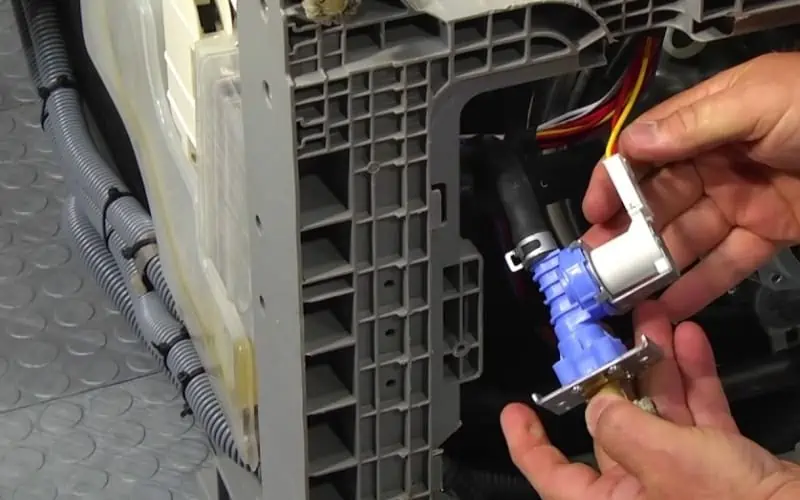
What to do:
- Turn off power and water to the dishwasher.
- Slide the unit out carefully and inspect all hoses and connections.
- Tighten clamps or replace worn or damaged hoses entirely for a long-term fix.
3. Spray Arm or Internal Component Leaks
Sometimes water sprays in the wrong direction, hitting seals or weak spots and escaping.
Check these parts:
- Spray Arms: A cracked or warped spray arm can send water toward the door seal instead of down into the tub.
- Internal Seals & Gaskets: Other internal components have seals that can degrade with time and heat exposure.
How to assess:
- Remove and inspect spray arms for cracks or breaks.
- Replace any arms with defects.
- Clean filter screens and pathways to ensure water flows where it should.
🧽 Preventive Tips to Avoid Dishwasher Leaks
- Use the right detergent and measure according to the dishwasher manufacturer’s guidelines.
- Keep gaskets clean and intact — food debris can compromise the seal.
- Level the dishwasher so water doesn’t slosh forward during washing.
- Perform regular maintenance on hoses, clamps, and spray arms to catch wear before it causes a leak.
Is A Dishwasher Seal The Same As A Gasket?
The terms ‘seal’ and ‘gasket’ are often used interchangeably. However, there is a technical difference. Seals are often used on moving parts, while gaskets are used on flat surfaces between components that don’t move. Both of them have the same job, however, to maintain a tight seal and prevent leaks.
Read: Amana Dishwasher Comprehensive Troubleshooting Guide
When should I call a technician for a leaking Amana dishwasher?
If the leak continues after checking the gasket, hoses, leveling, and detergent usage — or if water is leaking near electrical components — professional service is recommended.
Troubleshooting Amana Dishwasher Leaks and Overflows
If your dishwasher is losing water during a cycle, start with these primary checks to identify the source of the problem.
1. Check for Excess Suds (Oversudsing)
Using the wrong detergent or too much of it is a common cause of “phantom” leaks.
- The Problem: Excess bubbles build up pressure and overflow through the door gasket.
- The Fix: Run a rinse cycle with no detergent to clear the suds. Always use detergent specifically labeled for automatic dishwashers.
2. Inspect the Door Gasket
The rubber seal (gasket) around the door is your first line of defense against leaks.
- The Problem: Over time, the gasket can become brittle, torn, or coated in food debris, preventing a watertight seal.
- The Fix: Wipe the gasket with a damp cloth. If you see cracks or tears, replace the gasket entirely to stop water from seeping out of the front.
3. Test the Float Switch
The float switch tells your Amana dishwasher when it has reached the correct water level.
- The Problem: If the float is stuck (often due to food buildup) or the switch is electrically damaged, the machine won’t know to stop filling, leading to an overflow.
- The Fix: Lift the float (usually a small plastic dome in the tub) to see if it moves freely. Clean any debris underneath it. If it moves but doesn’t stop the water, the switch may need replacement.
4. Examine the Water Inlet Valve
This valve controls the flow of water into the unit.
- The Problem: If the valve is faulty or stuck in the “open” position, water will continue to enter the tub even when the power is off or the cycle is finished.
- The Fix: If the dishwasher continues to fill while it’s turned off, the water inlet valve is likely defective and should be replaced.
5. Inspect Hoses and Connections (Underneath the Unit)
If water is pooling under the dishwasher rather than coming out the door, the issue is likely behind the kickplate.
- Loose Clamps: Vibrations can loosen the clamps on the drain or inlet hoses.
- Damaged Hoses: Check for cracks, kinks, or small punctures in the drain line.
- Air Gap Issues: If water overflows from the air gap on your sink, check the hose between the air gap and the garbage disposal for clogs.
6. Level the Dishwasher
A dishwasher that tilts forward or to one side can cause water to pool and overflow over the bottom lip of the tub.
- The Fix: Use a level on the top edge of the dishwasher. Adjust the front leveling legs until the unit is perfectly balanced.
Connect with an Appliance Repair Tech
Click here to use the chatbox to speak with one of our technicians.
No in-home service calls. No appointments.
