

If your dishwasher leaves behind a chalky white film, cloudy spots, or a residue on dishes, glasses, or inside the machine, you’re not alone. This is one of the most common dishwasher complaints — and it usually comes down to water quality, detergent issues, or lack of maintenance.
In this guide, we’ll explain five causes and proven fixes so you can keep your dishwasher and dinnerware looking spotless.
White residue or film in a dishwasher is usually caused by hard water minerals, excess detergent, or low rinse aid levels. Running a hot vinegar cleaning cycle, reducing detergent use, and keeping filters clean can remove the buildup and prevent it from returning.
Why Your Dishwasher Is Leaving White Film
White residue or film on dishes is typically caused by minerals from hard water, soap scum, or undissolved detergent clinging to surfaces as water evaporates. Hard water contains high levels of calcium and magnesium, which form deposits that dry into a chalky layer on your dinnerware.
Other possible reasons include:
- Too much detergent — Excess soap that doesn’t rinse away fully will dry as a white film. Use quality detergent and do not overfill the cup. More is not better.
- Low rinse aid levels — Without enough rinse aid, water droplets cling to dishes and leave mineral spots. Finish Jet Dry or any off brand will do the trick.
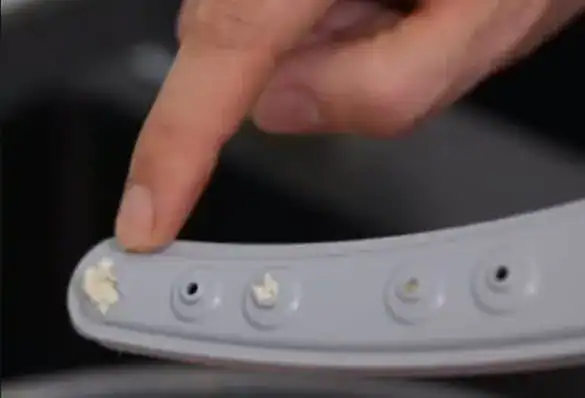
- Clogged spray arms or filter — Reduced water circulation prevents proper rinsing, leaving residue behind.
- Not hot enough water — Cold wash water may not dissolve detergent properly, especially detergent pods.
In rare cases, what looks like film is actually etching — permanent tiny scratches on glass from overly strong detergent or high temperatures. Etching won’t come off with rinsing.
We may receive a small commission off your purchase, at no additional cost to you.
Read more details about your dishes not getting clean: Dishwasher Not Cleaning Dishes

Quick Fixes: Remove the White Film Now
1. Run a Hot Vinegar Cycle
Place a cup or bowl of white vinegar on the top rack and run the dishwasher on its hottest normal cycle (empty). The acetic acid helps dissolve mineral buildup and leftover detergent residues.
2. Follow With a Baking Soda Rinse
After the vinegar cycle, sprinkle ½ to 1 cup of baking soda on the bottom of the dishwasher and run a short hot cycle to deodorize and lift remaining film.
3. Use Citric Acid for Stubborn Buildup
Citric acid powder (2–3 tablespoons in the detergent dispenser) can be more effective than vinegar on heavy mineral deposits and leaves a fresher scent.
4. Use a Commercial Dishwasher Cleaning Product
You can purchase a deep-cleaning descaler pod to cleanse the dishwasher. Follow the directions on the package. My favorite product is Affresh Dishwasher Cleaner. It claims to “power away” odor, bacteria, limescale and grime through the dishwasher’s system.
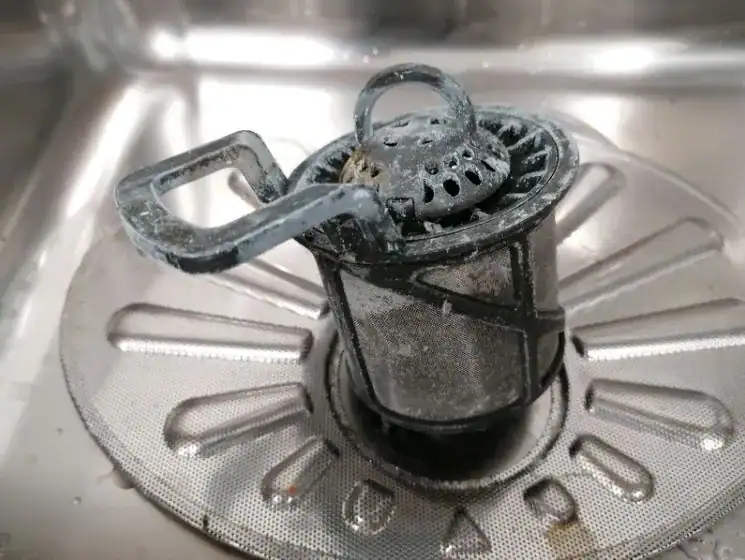
5. Clean All Filters and Spray Arms
Remove and rinse the dishwasher filter and clear out the spray arms’ jets. Built-up debris can block water flow, reducing rinsing power. Use a toothpick or q-tip.
Preventing White Residue in Future Loads
Use the Right Amount of Detergent
Modern detergents are concentrated — more is not better. Overloading the detergent cup often makes the residue problem worse, especially with hard water.
Always Use Rinse Aid
Rinse aid helps water sheet off dishes, preventing droplets that leave mineral spots as they dry. Fill the rinse aid dispenser and check levels regularly.
Check Your Water Temperature
Make sure hot water reaches the dishwasher — ideally at least 120°F (49°C) — so detergent dissolves completely and rinses well.
Adjust Dishwasher Settings
If your machine has a water hardness setting, adjust it to match your local water quality. Some models also use dishwasher salt to combat hard water — make sure this reservoir is filled if your dishwasher has one.
Rinse Heavily Stained Dishes Before the Wash
Many people mistakenly think that they do not have to rinse their dishes or pots before they put them in the dishwasher.
There are a couple of reasons why this is incorrect. First, most dishwashers are not powerful enough to get stuck-on foods. Second, stuck-on food makes a good surface for the undissolved detergent to get stuck to during the wash cycles. It holds the detergent and can create a film.
Regular Maintenance
Run a monthly cleaning cycle with a dishwasher cleaner or vinegar treatment. Keep the interior, gasket, and drain clear of food scraps and scale to maintain optimal performance. Clean the dishwasher filter if your dishes are consistently unclean.
For Hard Water, Consider a Water Softener Unit
One of the best ways to combat hard water and white residue is to use a water softener system. Many types of systems are available, including those that use salt to help to neutralize the minerals and to put your water back to a more balanced ph level.
A whole house system is ideal, as it will help with your shower, drinking, and laundry water, as well. If you cannot afford a whole house system, you can purchase a unit that goes under the kitchen sink. When installed properly, these can filter the water for both your sink and the dishwasher.
Read this article to learn more about problems caused by hard water.
When to Call a Pro
If you’ve tried all of the above and the film persists — especially on glassware after cleaning — you may be dealing with etching or a mechanical issue (like a failing heating element or circulation pump). In that case, consult an appliance repair technician to diagnose and fix deeper problems
Connect with an Appliance Repair Tech
Click here to use the chatbox to speak with one of our technicians.
No in-home service calls. No appointments.
