

A broken dryer can turn a productive afternoon into a massive headache. Whether your Amana dryer is making a grinding noise, refusing to heat up, or won’t even power on, most issues stem from a few common, replaceable parts. Before you call a pro, use this guide to diagnose the symptoms, reset your machine, and tackle the most frequent DIY repairs to get your laundry moving again.
Easy Ways to Reset and Restart an Amana Dryer
- The “Power Reset”: Unplug the dryer (or flip the circuit breaker) for 5–10 minutes to clear the control board.
- Check the Thermal Fuse: If a reset doesn’t work, a blown thermal fuse is the most common hardware culprit.
- Disable Control Lock: Ensure the “Control Lock” isn’t engaged by holding the Cycle Signal button for 3 seconds.
- Clear Error Codes: For modern models, specific button combinations (like holding Chime and Temperature) can enter diagnostic mode to clear codes.
Troubleshooting Why Your Amana Dryer Won’t Turn On
If your dryer is completely unresponsive, the issue is likely a break in the power supply chain. Before tearing the machine apart, check these three critical areas:
- Power Cord and Plug: Inspect the cord for any visible rips, tears, or burn marks.
- The Fix: If the cord is frayed or damaged, replace it with a new Amana-compatible power cord.
- Circuit Breakers: High-voltage appliances often trip the breaker during a power surge or heavy load.
- The Fix: Locate your home’s breaker box. If the dryer switch is in the middle or “Off” position, flip it all the way to OFF and then back to ON.
- Wall Socket: The outlet itself may have shorted out or suffered internal damage.
- The Fix: Test the outlet with a
multimeter or another device. If the socket is faulty, consult a qualified electrician for repair, as this involves high-voltage home wiring.

Why Your Amana Dryer Clicks But Won’t Start
When you hear a clicking sound but the drum won’t turn, it usually means the dryer is receiving power but a safety component or mechanical failure is preventing it from running. Check these components:
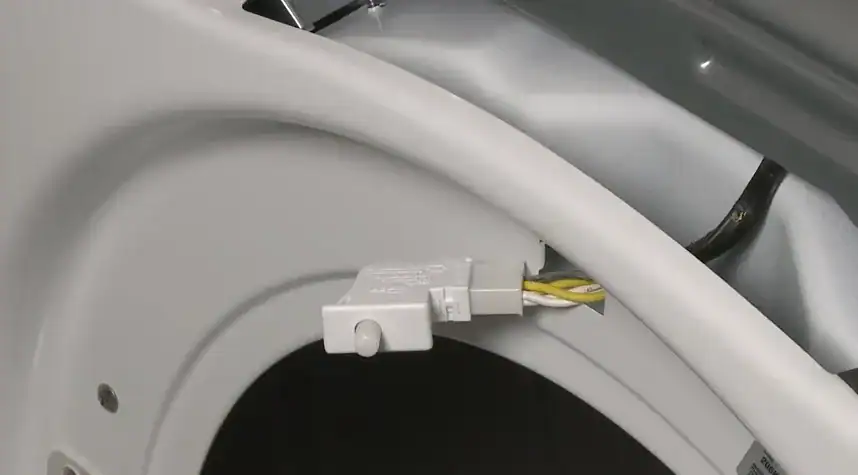
Faulty Door Switch: The “click” you hear should be the door switch engaging. If the switch is broken or the tab is bent, the dryer won’t sense the door is closed.
- The Fix: Inspect the plastic peg on the door. If it’s intact, use a
multimeter to test the switch for continuity and replace it if it fails.
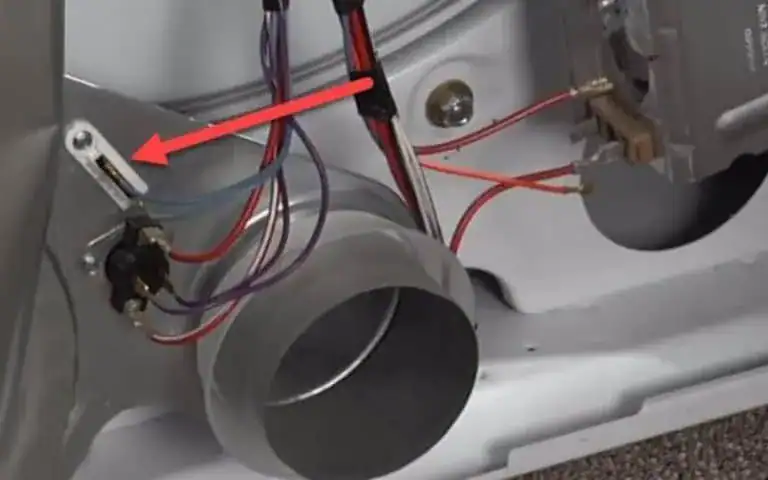
Blown Thermal Fuse: This is the most common culprit. It’s a safety device that “trips” if the dryer overheats. Replacements are less than $10 on Amazon click here.
- The Fix: Locate the fuse on the blower housing. If it has no continuity, replace it and clear your dryer vents to prevent it from blowing again.
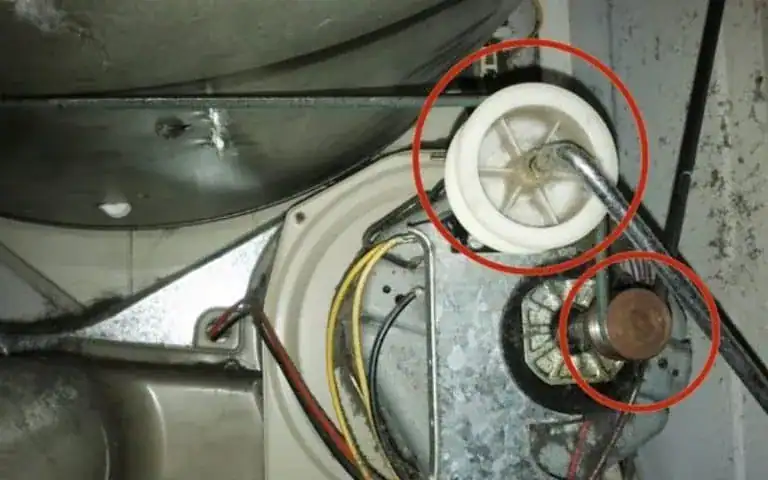
Broken Drive Belt: If the motor starts (you might hear a faint hum or click) but the drum doesn’t move, the belt may have snapped. Replacement belts are less than $10 on Amazon. Click here.
- The Fix: Reach inside and try to spin the drum by hand. If it spins very loosely with no resistance, the belt is broken and needs to be replaced.
Note: we may receive a small commission off your purchase, at no additional cost to you.
Defective Start Switch: If the switch itself is shorted, it may click mechanically but fail to send the electrical signal to the motor.
- The Fix: Test the start switch terminals with a
multimeter while pressing the button. If there’s no continuity, the switch is “toast.”
Seized Drive Motor: If the motor has failed or is jammed, it may produce a loud click or hum as it attempts to draw power but fails to turn.
- The Fix: This usually requires a motor replacement if you’ve confirmed the thermal fuse and door switch are working correctly.
Read: Why Your Amana Dryer Start Button Isn’t Working (and How to Fix It)
Solutions for an Amana Dryer That Won’t Spin or Cycle
When your dryer powers on but refuses to spin or complete a cycle, the problem usually lies with the mechanical drivetrain or the internal control settings. Here are the most common causes and how to resolve them:
Connect with an Appliance Repair Tech
Click here to use the chatbox to speak with one of our technicians.
No in-home service calls. No appointments.
- Misconfigured Settings: If your dryer seems functional but won’t start the drum, check if the “Control Lock” is active (look for a padlock icon) or if you are on a “Wrinkle Reduction” or “Delayed Start” setting.
- The Fix: Press and hold the Cycle Signal button for 3 seconds to disable the Control Lock. Ensure the dial is set to a standard Timed Dry or Automatic Dry cycle.
- Worn-Out Drum Belt: The belt is what physically turns the drum. If it snaps or slips off the pulley, the motor will run, but the drum will remain stationary.
- The Fix: Unplug the dryer and remove the top or front panel. If the belt is loose, frayed, or broken, loop a new belt around the drum and through the idler pulley and motor drive. Replacement kits runs about $25 on Amazon click here.
- Defective Centrifugal Switch: This switch is located on the motor and tells the dryer to keep running once the motor reaches a certain speed. If it fails, the dryer may start for a second and then immediately shut off.
- The Fix: This is an internal motor component. Use a
multimeter to test for continuity on the motor terminals; if the switch is faulty, the entire drive motor typically needs replacement.
- The Fix: This is an internal motor component. Use a
- Seized Drum Rollers or Idler Pulley: If the components that support the drum are stuck, the motor may not have enough power to overcome the friction to spin the load.
- The Fix: Spin the drum by hand while the dryer is off. If it feels extremely heavy or won’t move at all, inspect the rollers and idler pulley for hair/lint clogs or physical damage and replace them as needed.
- Timer or Main Control Board Failure: In rare cases, the timer (on manual models) or the control board (on digital models) fails to send the “run” signal to the motor even after you press start.
- The Fix: Check the wiring harness for loose connections. If the wiring is secure but the motor receives no voltage when the start button is pressed, the timer or control board likely needs to be swapped out.
How to Fix an Amana Dryer Making Grinding or Squeaking Noises
- Drum Support Rollers: These are a leading cause of both sounds. If they are worn or flat-spotted, they create a rhythmic thumping or grinding; if the axles lack lubrication, they produce a high-pitched squeak.
- Drum Glides/Slides: These plastic pieces support the front of the drum. When they wear down, you get metal-on-metal grinding or a sharp scraping sound.
- Idler Pulley: A failing pulley usually starts with a squeak that can eventually turn into a grinding sound as the bearings seize up.

- Drive Belt: A frayed belt will cause a consistent thumping or squeaking every time the damaged section passes over a pulley.
- Drum Bearing: Located at the rear, a worn-out bearing typically produces a heavy grinding or squealing noise as the drum rotates.
- Blower Wheel: Small objects (coins, lint) trapped here cause a fast-paced rattling or grinding sound.
All of these replacement parts are available on Amazon Click here.
Note: we may receive a small commission off your purchase, at no additional cost to you.
Troubleshooting a Dryer That Won’t Heat or Dry
If your Amana dryer is tumbling but the clothes are still damp, the heating circuit has likely failed. Here are the most common parts to check and how to fix them:
- Blown Thermal Fuse: This is the most common cause of heating issues. It is a safety device designed to blow if the dryer gets too hot. (see picture above) Replacements are less than $10 on Amazon click here.
- The Fix: Test the fuse for continuity with a
multimeter ; if it’s “open,” replace it and clean your dryer vents to prevent it from blowing again.
- The Fix: Test the fuse for continuity with a
- Burnt-Out Heating Element: Over time, the metal coils in the heating element can break or burn out, preventing the air from getting warm.
- The Fix: Inspect the coils for any visible breaks. If the coils are broken or the element fails a continuity test, the entire heating assembly needs to be replaced. Replacement kits are about $25 on Amazon click here.
- Defective Cycling Thermostat: This part monitors the internal temperature and cycles the heat on and off. If it fails, it may tell the dryer to stay off permanently.
- The Fix: Locate the thermostat on the blower housing and test it for continuity. Replace it if it is no longer functional.
- Failed Flame Sensor (Gas Models Only): In gas dryers, this sensor detects the heat from the igniter. If it doesn’t “see” the flame, it won’t allow the gas valve to open.
- The Fix: If the igniter glows but no flame appears, the flame sensor is likely faulty and requires replacement. Replacement on Amazon $12 click here.
- Clogged Exhaust Vent: If the hot, moist air can’t escape the dryer, the clothes will remain damp regardless of how much heat is produced.
- The Fix: Detach the vent hose from the back of the dryer and vacuum out any lint buildup. Ensure the exterior wall hood is also opening freely.
Note: we may receive a small commission off your purchase, at no additional cost to you.

Why Your Amana Dryer Is Overheating
An overheating dryer is almost always caused by restricted airflow. When hot air can’t escape, it builds up inside the drum to dangerous levels. Here is how to clear the path:
- Clogged Lint Trap: This is your first line of defense. A screen caked in lint or dryer sheet residue blocks the initial air exit.
- The Fix: Clean the lint screen after every load. Occasionally wash it with warm, soapy water to remove invisible film buildup.

- Obstructed Internal and External Ducts: Lint and debris bypass the filter over time, creating “clogs” in the silver transition hose and the internal ducting.
The Fix: Disconnect the dryer and remove the rear panel. Vacuum out the internal air ducts and the flexible hose leading to the wall.
- Blocked External Vent and Flap: The exit point on the outside of your home can become stuck shut by lint, bird nests, or dirt.
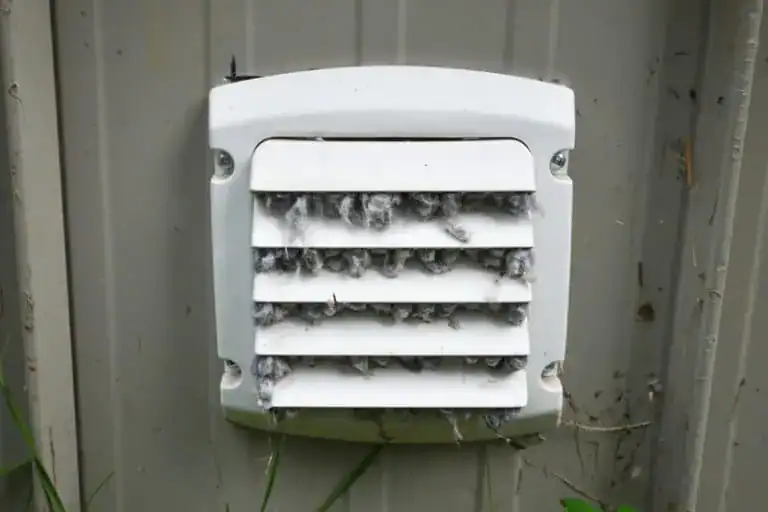
The Fix: Inspect the vent hood outside your house. Ensure the flap moves freely and clear away any debris preventing it from opening fully.
Why Your Amana Dryer Hums But Won’t Spin
If your Amana dryer turns on and makes a humming noise but the drum won’t spin, the motor is likely receiving power but something is preventing it from turning the drum. This issue is usually caused by a failed mechanical component rather than an electrical problem.
Common causes include:
- Broken drive belt – The motor runs, but the drum can’t rotate.
- Worn drum rollers – The drum may be stuck or difficult to turn.
- Seized idler pulley – Prevents proper belt tension and drum movement.
- Jammed blower wheel – Debris can block rotation and strain the motor.
- Failing motor – The motor hums but lacks power to start spinning.
Before replacing major parts, unplug the dryer and try turning the drum by hand. If it’s stiff or won’t move, a mechanical component is likely the problem.
Fixing an Amana Dryer That Won’t Turn Off Automatically
If your dryer keeps spinning indefinitely after the cycle should have ended, it’s usually due to a failure in the components that monitor dryness or control the timing. Check these parts to stop the “endless cycle”:
- Defective Timer Motor: On older, manual-dial models, the timer motor is responsible for advancing the knob to the “Off” position. If the small motor inside the timer assembly stalls, the dryer will run forever.
- The Fix: If the timer doesn’t move during a cycle, the entire timer assembly likely needs to be replaced.
- Coated Moisture Sensor Bars: These metal bars inside the drum detect when clothes are dry. If they are coated in a film from dryer sheets or fabric softener, they may falsely signal that the clothes are still wet.
- The Fix: Locate the two metal strips near the lint filter and rub them with a cotton swab dipped in rubbing alcohol to remove any invisible residue.

- Faulty Thermistor or Cycling Thermostat: These sensors monitor the air temperature. If they fail, the control board may think the dryer hasn’t reached the proper temperature to begin the “cool down” or “shut off” phase.
- The Fix: Test both for continuity using a
multimeter . If they don’t match the manufacturer’s resistance specifications, replace them. $20 on Amazon.
- The Fix: Test both for continuity using a
- Shorted Heating Element: If the heating element breaks and touches the metal heater housing, it can “ground out,” causing it to stay on even when the dryer tries to shut off. Replacement kits are about $25 on Amazon click here.

- Stuck Relay on the Main Control Board: On digital models, a “stuck” relay on the circuit board can continue to send power to the motor or heater even after the timer has reached zero.
Note: we may receive a small commission off your purchase, at no additional cost to you.
Why an Amana Dryer Control Panel Isn’t Working
An Amana dryer’s control panel is the interface you use to choose cycles and start the machine — so when it stops responding, the dryer becomes unusable. The most common reasons for an unresponsive control panel range from simple power issues to failed electronic parts.
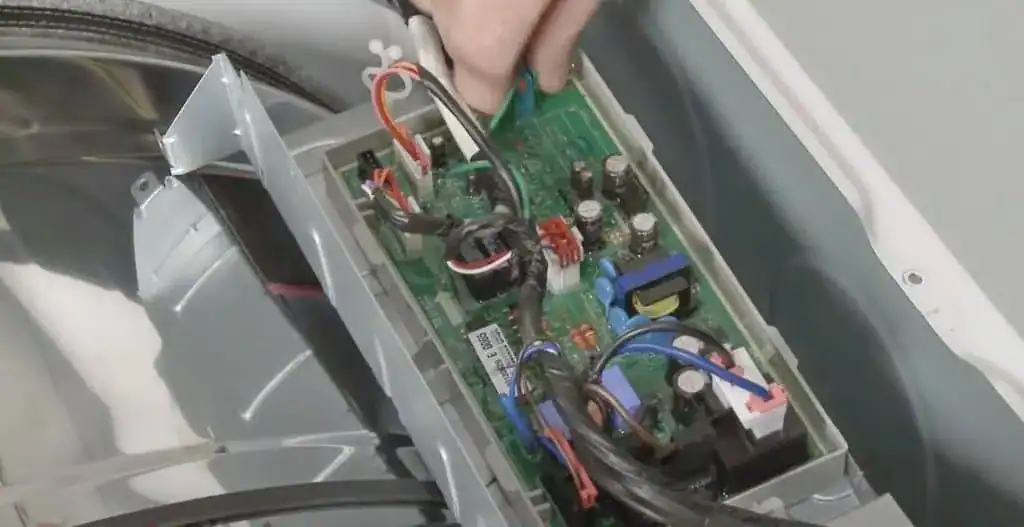
First, always check the incoming power supply. Dryers require two live circuits, and if a breaker has tripped, the outlet is faulty, or the power cord is damaged, the control panel won’t light up or respond. Reset breakers, inspect the outlet and replace a worn power cord if necessary.
Next, look for the Control Lock feature, which is similar to a child lock. If enabled, most buttons won’t work and the display may show a lock icon. Holding the lock button for a few seconds usually disables the feature.
If power and lock settings aren’t the issue, the control panel itself may be faulty. This can happen from electrical surges or wear over time, and usually means replacing the panel assembly. Control panels are very expensive and may be difficult to find for your model. Amazon carries some that run $150-300. Click here. It might be more cost effective to buy a new dryer.
Finally, in some cases the problem isn’t the panel you touch but the main control board inside the dryer. When this fails, signals from the panel don’t get processed, making it seem like the panel isn’t working. Board replacement is the typical fix.
Frequently Asked Questions (FAQs)
How Long Should An Amana Dryer Last? Is It Worth Repairing A 10-Year-Old Dryer?
A well-maintained Amana dryer will last 10 years or more. You can expect more parts to fail and problems to happen as the dryer reaches the end of its lifespan.
Repairing a 10-year-old Amana dryer is worth it if the repair is quick and not too expensive. However, when repairs get too expensive, your money might be better spent on a new Amana model with all the latest features.
Can I Fix My Dryer Myself?
Yes, it’s possible to fix your Amana dryer yourself. However, you should consider hiring a professional technician if you don’t have the necessary tools, skills, or experience. A technician would have performed the same repair before and can get it done quicker.
Is It Better To Fix A Dryer Or Buy A New One?
That depends on your budget and the dryer’s age. If the dryer is old (e.g. over 10 years) and you can afford a new unit, you’ll have a better time buying a more recent and better model.
How Do You Fix The Heat On An Amana Dryer?
An Amana dryer that won’t heat up likely has a faulty heating element. For example, the heating element might have suffered a short circuit that prevents it from generating heat.
How Often Should You Clean Your Dryer Vent Duct?
You should clean your dryer vent duct twice a year (once every six months) if you live in an average home. However, you must clean it more frequently if you’re using the dryer more than the average user.
Can I Clean My Dryer Vent Myself?
Yes, you can purchase dryer vent cleaning kits to clean the vent yourself. Investing in such a kit can save you time and money in the long run, as you won’t have to hire someone to do it for you.
Do You Need A Flap On A Dryer Vent?
Yes, you must have a flap on your dryer’s exhaust vent. The flap stops outside dirt and debris from entering the duct. More importantly, it also prevents small animals from nesting inside the dryer vent.
What Is Dryer Lint Made Of?
Dryer lint consists of fabrics from your clothes. As your laundry tumbles around, some of its fibers come loose and get carried away by the dryer’s hot air.
